Anxiety & self
Specialised clinical therapy
Anxiety therapy online: overcome the panic. Regain total control.
Mild anxiety is a healthy biological response. But when fear, dread and overthinking become constant background noise, it is no longer just "stress". Advanced psychotherapy, CBT and trauma-informed care to calm your racing heart and rewire your anxious brain.
- Online only
- CBT-based
- Confidential

Recognising the symptoms
It is not just "in your head".
Anxiety disorders hijack your nervous system. If you often experience several of these, your mind and body are asking for support.
Psychological & emotional
- Persistent dread & panic — a heavy feeling of impending doom, even when life is stable.
- Uncontrollable overthinking — racing thoughts and worst-case scenarios you can't switch off.
- Cognitive fog & dissociation — difficulty concentrating, or feeling disconnected from yourself.
Physical & somatic
- Cardiovascular & respiratory — palpitations, pounding heart, breathlessness while sitting still.
- Neuromuscular tension — stiffness, jaw clenching, trembling or numbness.
- Sleep & digestive issues — insomnia, waking in panic, unexplained nausea.
Types of anxiety
Which type are you battling?
There is no one-size-fits-all anxiety (DSM-5). Identifying your type is the first step toward recovery.
Generalised anxiety (GAD)
A constant feeling of being overwhelmed by everyday life, with frequent, unrealistic worry about daily responsibilities.
Panic disorder
Unexpected attacks that strike without warning — you may feel unable to breathe, and the fear of another attack becomes a phobia.
Social anxiety
Far beyond shyness: an intense fear of being judged that makes meetings or family gatherings feel paralysing.
Agoraphobia & phobias
Intense fear of places where escape feels difficult, or of specific triggers — shrinking your world.
The science
Why you can't just "calm down".
We don't judge your fear — we treat the neurology behind it.
01
The amygdala hijack
The amygdala manages fear. In anxiety disorders it becomes hypersensitive, flooding the body with adrenaline in response to harmless cues — so "just relax" simply doesn't work.
02
Neurochemical imbalance
Your brain relies on serotonin, dopamine and GABA to regulate stress. Severe trauma alters this balance, making it hard to return to calm naturally.
03
Environment & genetics
Chronic stress changes your neurotransmitters, and a first-degree relative with severe anxiety raises your predisposition significantly.
Treatment
How we diagnose & treat anxiety.
A tailored, multi-layered plan based on DSM-5 criteria. You do not have to live like this forever.
- 1
Clinical assessment
An in-depth evaluation to find the subconscious origin of your fear, so we treat the root, not just symptoms.
- 2
CBT
The most effective evidence-based therapy: intercept catastrophic thoughts and replace fear with grounded reactions.
- 3
Safe exposure
Gradual, controlled exposure that teaches your brain you can face fear — and survive it.
- 4
Somatic healing
Breathing and somatic tools that stimulate the vagus nerve, so you can stop a panic attack in real time.
The choice
The cost of leaving anxiety untreated.
Without treatment
Psychological: isolation, lower quality of life, depression and a higher risk of using substances to numb panic.
Physical: constant cortisol increases the risk of cardiac events, digestive disease and weakened immunity.
With expert treatment
The solution: therapy is highly effective — you learn to manage stress, set boundaries and limit triggers.
The reality: better relationships, productivity and sleep, and a lasting sense of inner peace.
FAQ
Anxiety therapy questions
Can an anxiety disorder be completely cured?
While some genetic predispositions may remain, the disruption to your life is highly treatable. With CBT, most clients reach a point where anxiety no longer controls their decisions.
Will I need to be on medication forever?
The focus here is psychotherapy — long-term neurological rewiring. Severe cases may benefit from temporary medication, but the goal is to equip you to manage emotions independently.
How long does CBT take to show results?
Many clients notice a significant reduction in symptom intensity within the first 4 to 6 sessions as they learn to apply real-time cognitive and somatic techniques.
Are online therapy sessions effective?
Yes. For people with severe anxiety, agoraphobia or social anxiety, online therapy removes the stress of commuting and lets you open up from the safety of home.
From the journal
Mind & wellbeing
Anxiety & self
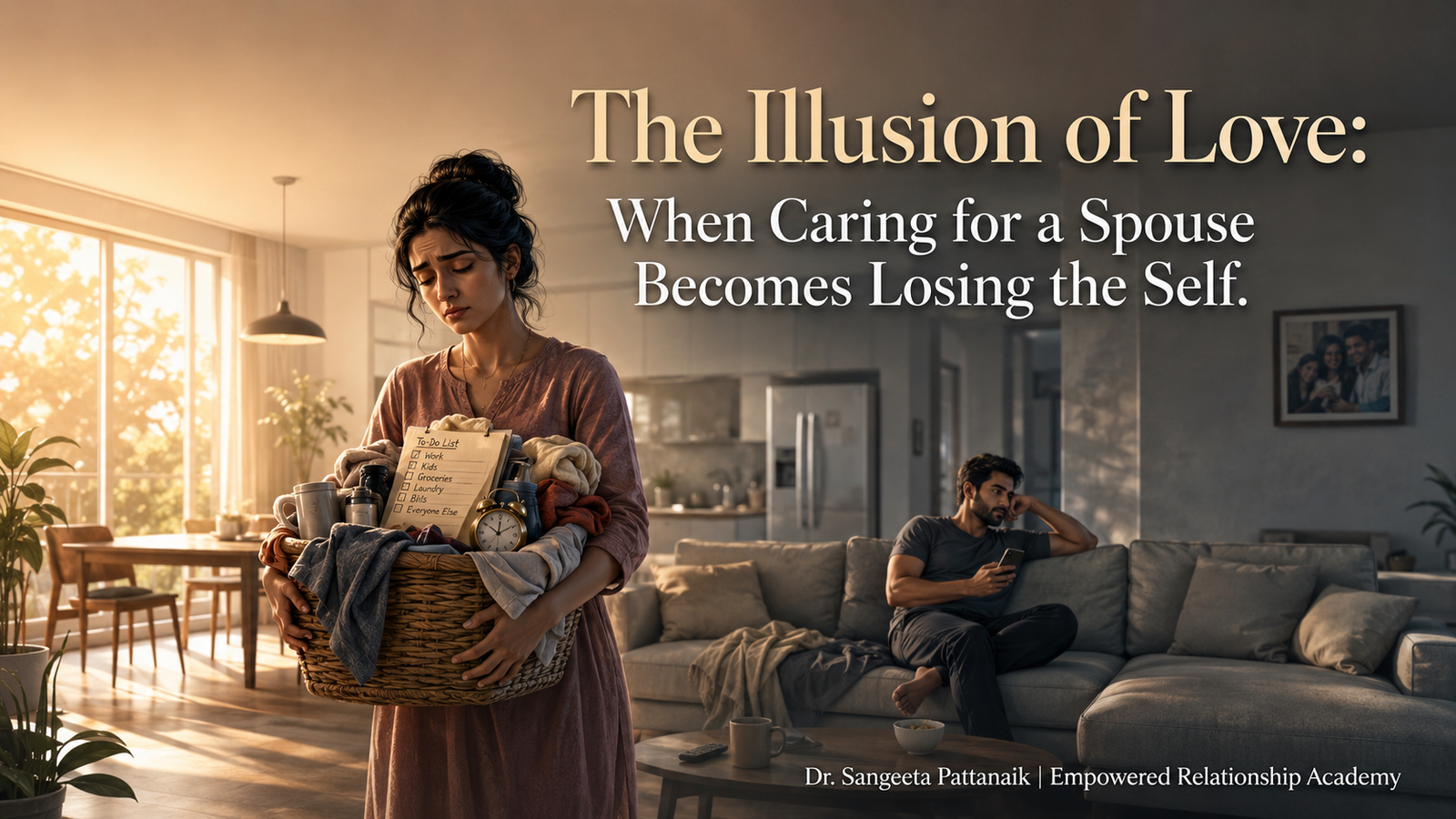
What is Codependency? Signs You Might Be Losing Yourself (and How to Break Free)
Read article
Your next chapter
You do not have to live with constant fear.
Every day you wait is another day lost to worry. Seeking help is the ultimate act of self-preservation — let us guide you back to peace and clarity.
- 100% confidential
- Online, from home
- Zero judgment